performance-driven high-yield supplies powder biopharmaceutical
Bioprocessing depends strongly on a wide assortment of substrates to create novel bio-derived items.
Securing ethical acquisition of feedstocks dictates persistent stability and principled industry advancement.
a range of complications linked to historic procurement practices such as soil erosion and unchecked resource extraction. Thus, organizations must explore circular sourcing options to lessen environmental harm.
- Samples of circular procurement methods cover:
- Utilizing renewable feedstocks derived from agricultural byproducts
- Implementing closed-loop systems to minimize waste and maximize resource efficiency
- Teaming up with provincial partners who practice sustainable procurement
Shifting to ethical sourcing drives environmental value and long-term commercial viability.
Tuning Feedstock Characteristics for Higher Biofuel Efficiency
Optimizing biofuel yields depends strongly on feedstock quality and makeup. Technologists actively pursue refinements to increase feedstock efficiency, delivering enhanced conversion and a more resilient energy mix. Efforts pair genetic enhancement for feedstock abundance with advanced pretreatment to produce usable sugars.
- Also, studies emphasize discovering resources such as seaweed, organic waste, and residual straw to diversify sustainable feedstock supplies for fuels.
- Via sustained research the industry stands ready to accomplish considerable improvements that enable a greener energy transition.
Upstream Process Improvements for Modern Biopharma Production
includes primary operations from inoculation through cell collection Ongoing innovations have accelerated process enhancement leading to greater yields.
Notable improvements feature new expression systems, refined media recipes, and automated reactor platforms. These innovations not only enhance productivity but also minimize production costs and environmental impact.
- In addition, momentum toward nonstop processing offers improved flexibility and optimized operational flow.
- Embracing sophisticated manufacturing strategies is poised to change industry norms and shorten development cycles.
Molecular Editing Strategies to Increase Bioproduct Output
developments in targeted genetic engineering methodologies have modernized drug manufacturing. Via deliberate gene edits, teams amplify protein expression for higher yields. Such strategies offer promise to create cost-effective, high-efficiency therapeutics across many disease areas.
Microbial Approaches to Effective Bioremediation
promising microbial strategies enabling effective environmental cleanup and restoration. Selected microbial cultures can remediate contaminants through biodegradation pathways.. Utilizing microbial metabolism supports eco-friendly site cleanup methods that limit secondary harm from remediation.. Laboratories Calcium 2-oxoglutarate test microbial species for efficacy against metals, pesticide pollutants, and oil-related contamination. The microbes may be applied within engineered reactors or in situ to catalyze pollutant degradation via biotransformation..
Microbe-based remediation provides compelling advantages over standard remediation methods. Microbe-driven cleanup typically costs less and generates fewer dangerous byproducts. In addition, microbial approaches enable pollutant-specific treatment without broad ecological disruption. Ongoing innovation aims to boost the throughput and efficacy of microbe-driven remediation approaches.
The Role of Bioinformatics in Drug Discovery and Development
Informatics platforms are essential to current drug discovery and development pipelines. By integrating diverse datasets, bioinformatics enhances candidate identification and therapeutic optimization.
- By interrogating large-scale omics and clinical information, scientists find new targets and predict candidate efficacy.
- Concurrently, virtual screening and simulation shape the development of more effective therapeutics.
- In the end, informatics-driven methods streamline development and accelerate delivery of therapeutic solutions to patients.
Synthetic Biology Routes for Elevated Bioproduct Synthesis
utilizes multiple approaches to enhance production of desirable bioproducts in cells. These strategies can involve genetic modifications to optimize metabolic pathways, regulation of gene expression, and the introduction of novel genes to confer new capabilities.. By refining pathway flux and regulation engineers can significantly raise bioproduct production.
The multifaceted strategy promises to reshape sectors like biotech, agritech, and renewable fuel industries.

Scale-Up Challenges and Prospects for Biopharmaceuticals
Transitioning to higher volumes entails serious complications and potential rewards. Retaining quality standards during scale enlargement is a core difficulty. Resolving it depends on rigorous control strategies, precise instrumentation, and comprehensive analytics.

Another concern is that bioprocessing workflows are inherently complex and multi-staged.. Reengineering workflows for mass production involves rigorous R&D and inventive technology deployment.. Still, the gains can be meaningful. Skilled scaling can enlarge supply, lower prices, and increase profit potential.
Challenges are being addressed through a number of initiatives. Approaches include cutting-edge process optimization tech, comprehensive analytics for control, and disruptive manufacturing designs.
- Ongoing innovation drives improvements in industrial production capability.
- Regulators are reforming approval systems to facilitate adoption of advanced manufacturing and nurture innovation.
Understanding Regulatory Oversight to Ensure Biopharmaceutical Quality
Bringing biologics to market involves rigorous regulation designed to protect patients and confirm therapeutic benefit. Products of biological origin introduce specific challenges that differ from standard drug development.
Authorities including the FDA and EMA implement guidelines and thresholds to assess and approve novel biologic products.
Rigorous testing protocols are mandatory throughout the development lifecycle, from pre-clinical research to post-market surveillance.. The measures work to spot potential hazards and validate that therapies reach demanding safety levels..
Concurrently, regulatory organizations fine-tune methods to remain compatible with quick scientific advancements. Initiatives cover incorporating new methods and supporting faster development while ensuring patient protection.
Plant-Derived Feedstocks as a Route to Sustainable Bioplastics
The trend toward sustainability stimulates development of renewable material technologies. Using plant feedstocks to make bioplastics gives a promising direction for sustainable material development. Plant inputs like corn-derived starch, cellulose derivatives, and sugarcane can be turned into degradable plastics that lessen environmental burdens.
Also, many renewable bioplastics exhibit comparable mechanical and functional traits to conventional plastics across applications.. Continuous R&D will drive plant biomass into scalable bioplastic manufacture and help establish closed-loop material systems.
Biotech's Role in Improving Global Health and Agricultural Resilience
Biotechnology has emerged as a powerful tool with the potential to revolutionize global health and address food security challenges. By applying gene editing, synthetic biology constructs, and cellular therapies, scientists create tools to fight disease, raise yields, and boost nutrition.. Illustratively, crops altered for pest resistance and stress endurance support increased harvests and diminished pesticide usage.. Also, biotechnological innovation fuels development of immunizations, antimicrobial treatments, and diagnostic platforms vital for disease control and population health.. Going forward, advancements in biotechnology are likely to yield interventions that improve health and advance sustainable food systems globally.
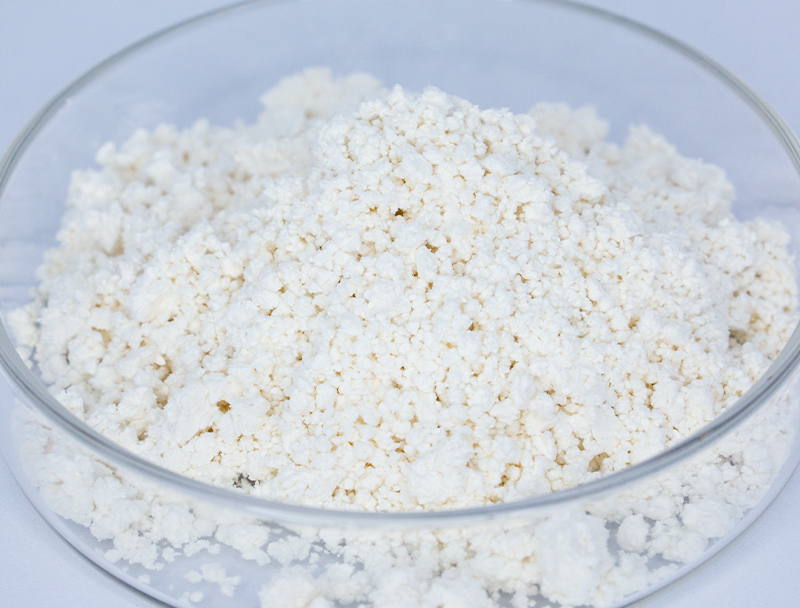 L-arginine-α-ketoglutaric acid